

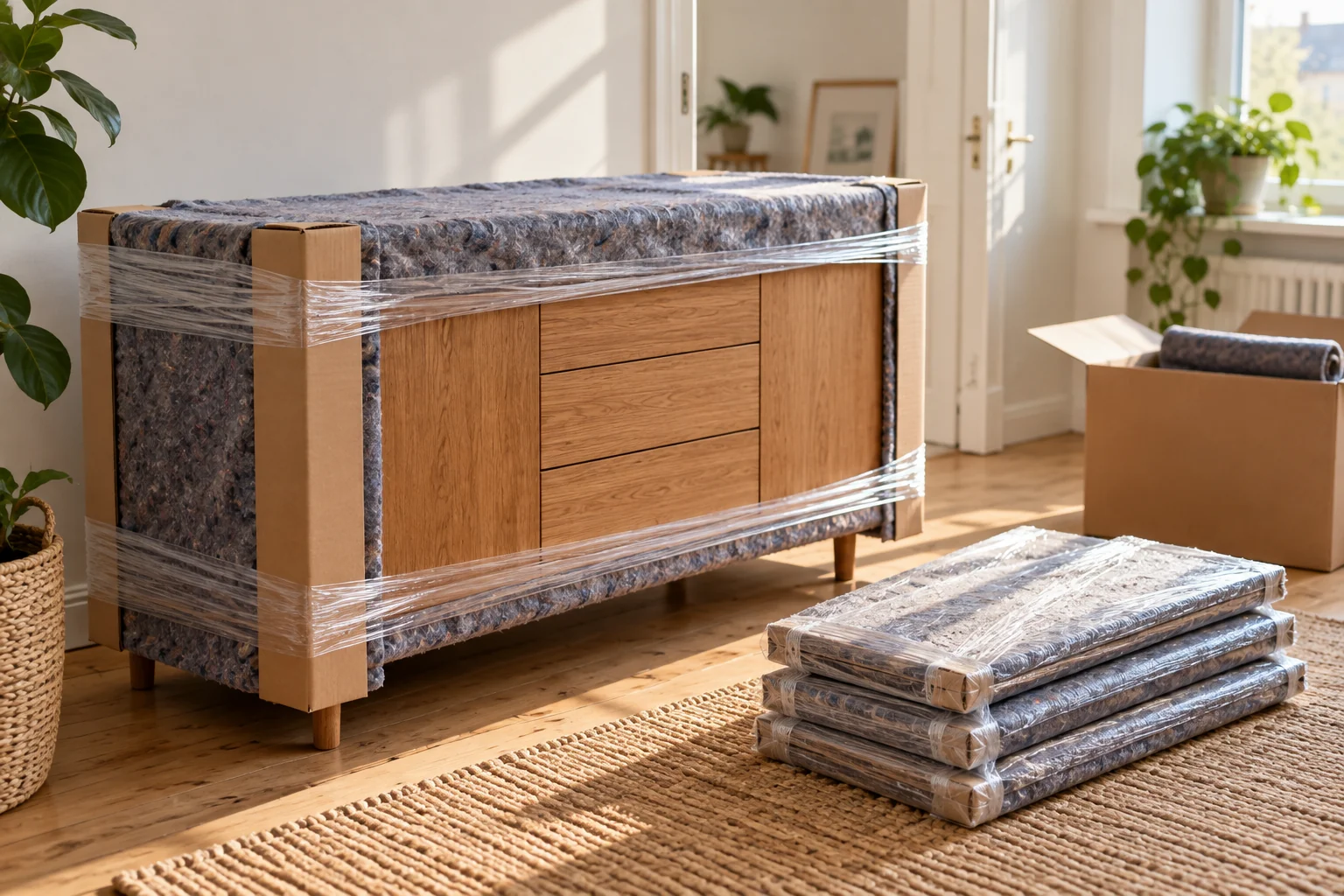
A bedside table protected with a moving blanket, cardboard over the corners and stretch film outside

Packing

Pack your bedside table.
Step by step.

Empty the drawers. Protect the surfaces and corners. Follow four steps and find the materials in Danish shops.

Calculate your price
About 5 min readRead the guide
Published

Empty the furniture, collect loose parts, wrap the surfaces in a clean soft layer, protect the corners and hold the wrapping in place with stretch film. We demonstrate the sequence on a small bedside table. A chest of drawers follows the same principle but often needs more material and more people.

The essentials, in brief.

  • The moving blanket protects the surface; stretch film keeps the protection in place.
  • Never apply packing tape directly to wood, varnish or veneer.
  • Pack furniture empty and arrange carrying help before moving it.

01 · Materials and prices

What you need.

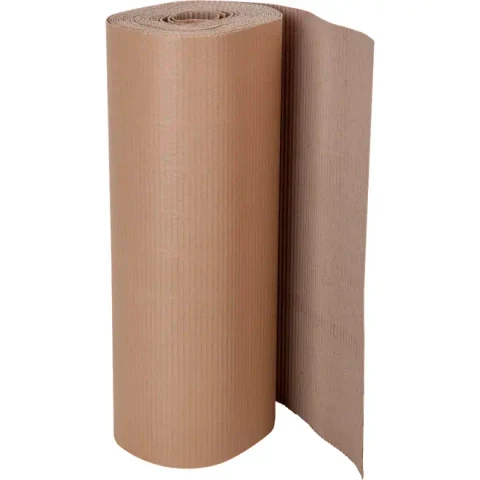
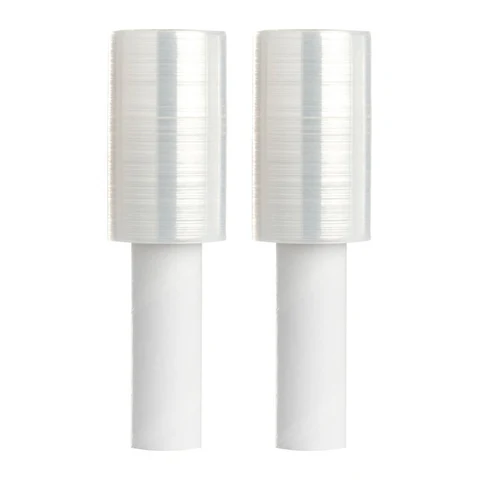
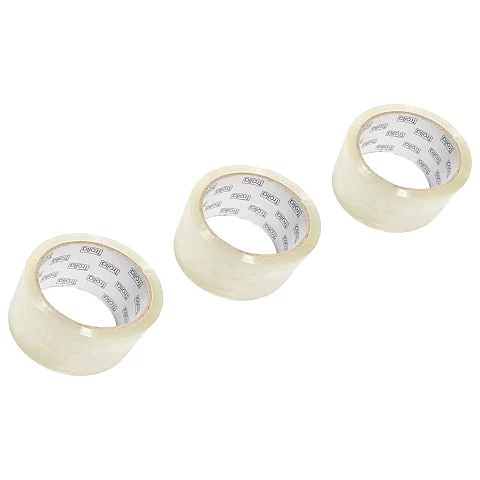
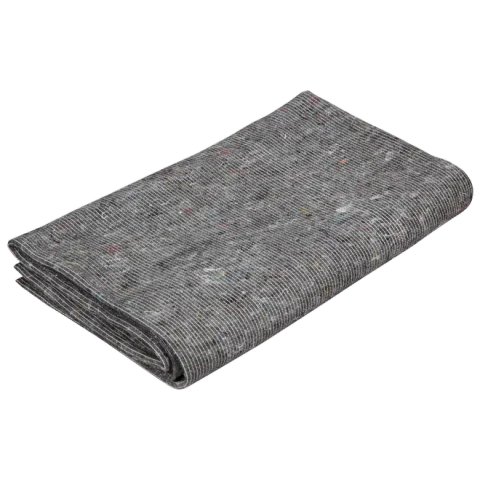
Find a clean, soft moving blanket, corrugated cardboard, stretch film and, if needed, packing tape. Have a bag for screws and handles, a marker and the appropriate tools ready. Reuse suitable materials you already own.

Here are specific shopping options. Prices are for the whole product or pack, checked on 13 October 2026, and may change. These are examples of materials, not a fixed shopping list suitable for every furniture size.
02 · Step 1 · Prepare

Empty the drawers and collect loose parts.

Remove all contents. Loose items can shift and a full chest is heavier to handle. Box the contents and wipe dust and dirt off the furniture so they do not sit between the surface and its protection.

Only remove handles, shelves or legs designed to come off. Follow the furniture instructions and put screws and handles in a labelled bag. Do not tape the bag to the furniture finish.

Drawers can stay in if they close securely and the furniture remains safe to handle. If removing them reduces the weight, wrap and label them separately. Never force a drawer past its stop.
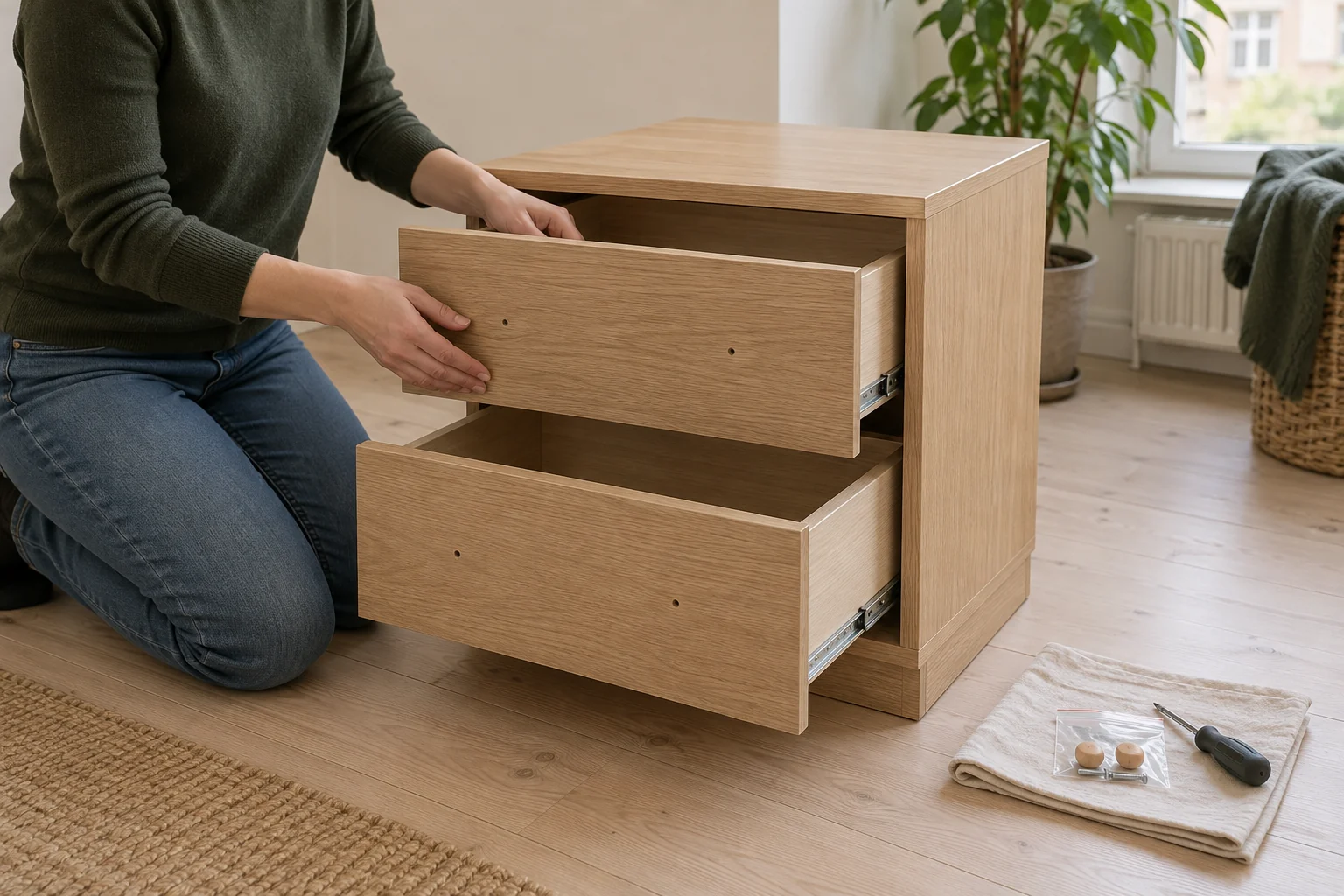
An empty bedside table with open drawers and removed handles collected in a bag
Step 1: Empty the furniture and collect removable parts before covering the surface.

03 · Step 2 · Soft layer

Protect the surface first.

Close the empty drawers. Wrap a clean, dry moving blanket over the top, sides and front. Fold it to cover edges and corners without leaving loose ends hanging into the carrying route.

Check for coarse particles or hard seams that might rub against the surface. Delicate varnish, high-gloss and antique furniture need materials suited to their finish; follow the manufacturer's advice or ask for help choosing protection.
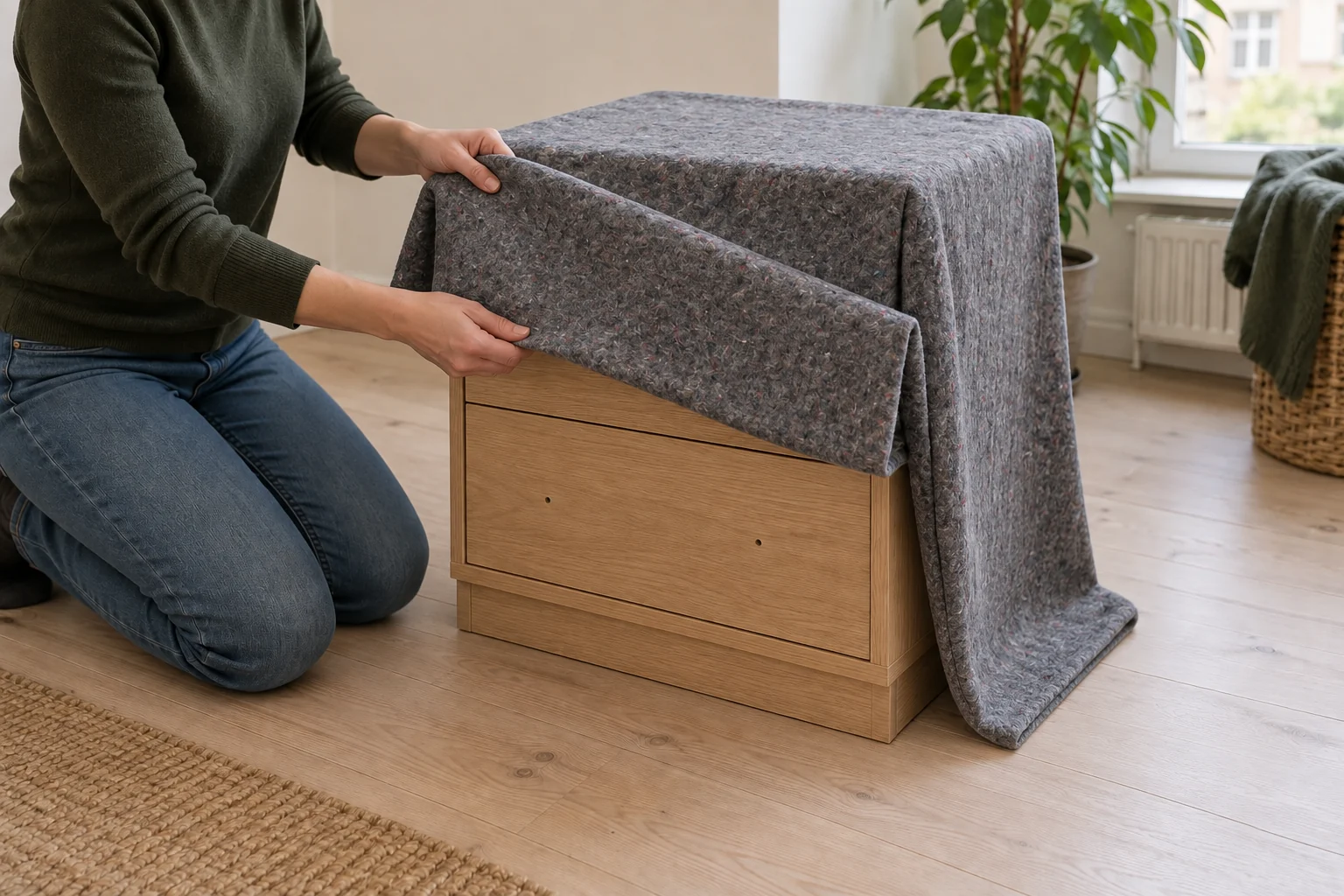
A clean moving blanket folded over the bedside table's closed drawers
Step 2: The soft layer should cover the furniture. Tuck in the remaining flaps before securing the wrapping.

04 · Step 3 · Corners

Give the corners an extra layer.

Fold corrugated cardboard around the padded corners and exposed edges. Keep it outside the soft layer so it does not rub directly on the surface. Shape the protection to the furniture instead of forcing a cardboard piece that is too small.

If you use tape to hold the cardboard together, apply it only to the wrapping. Repeat at the other exposed corners. Cardboard and a blanket reduce the risk of marks; they do not make furniture impact-proof.
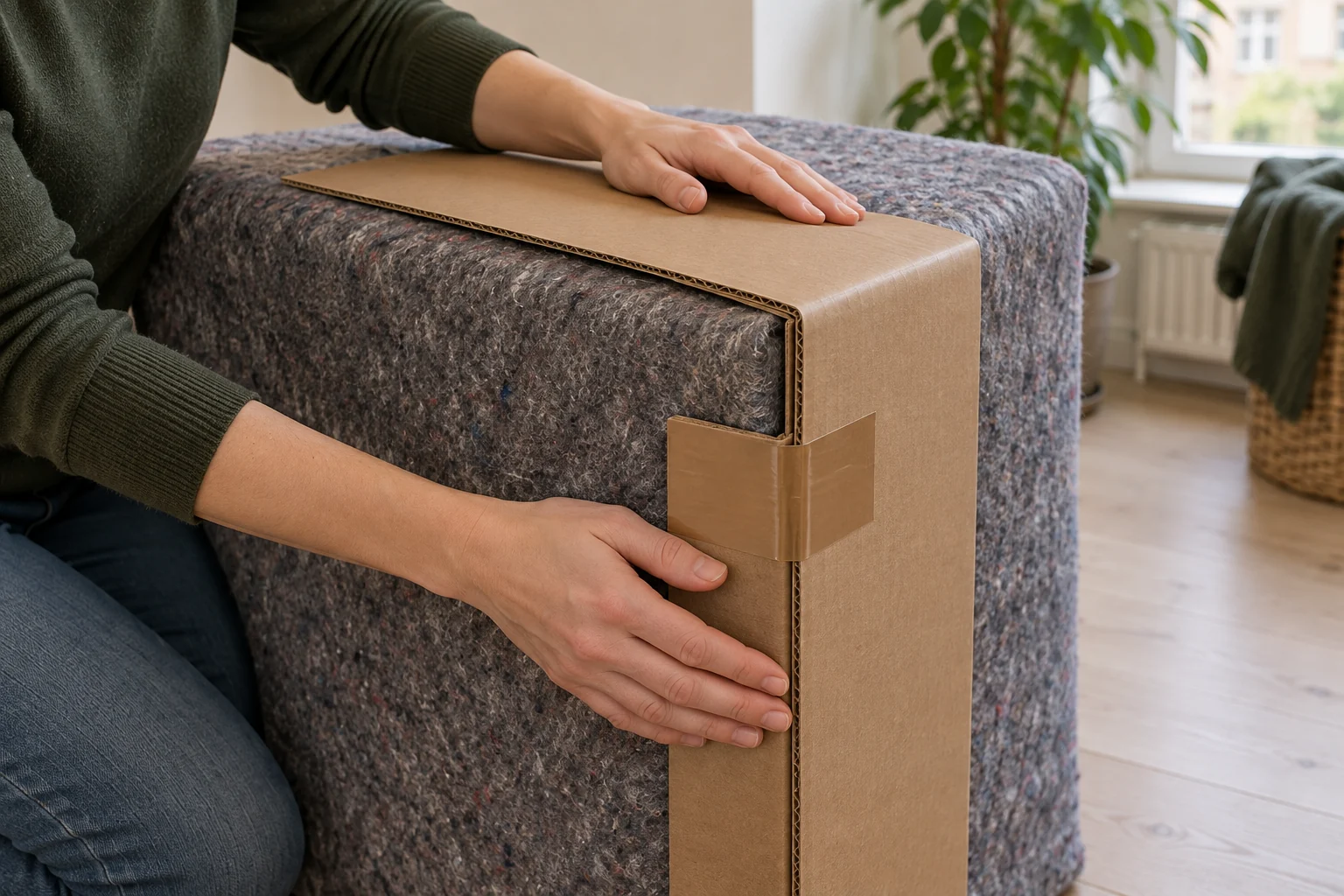
Close-up of folded corrugated cardboard over a moving blanket at a bedside table corner
Step 3: Soft layer inside, cardboard outside. Keep tape away from wood, varnish and veneer.

05 · Step 4 · Secure

Hold the layers in place and check the package.

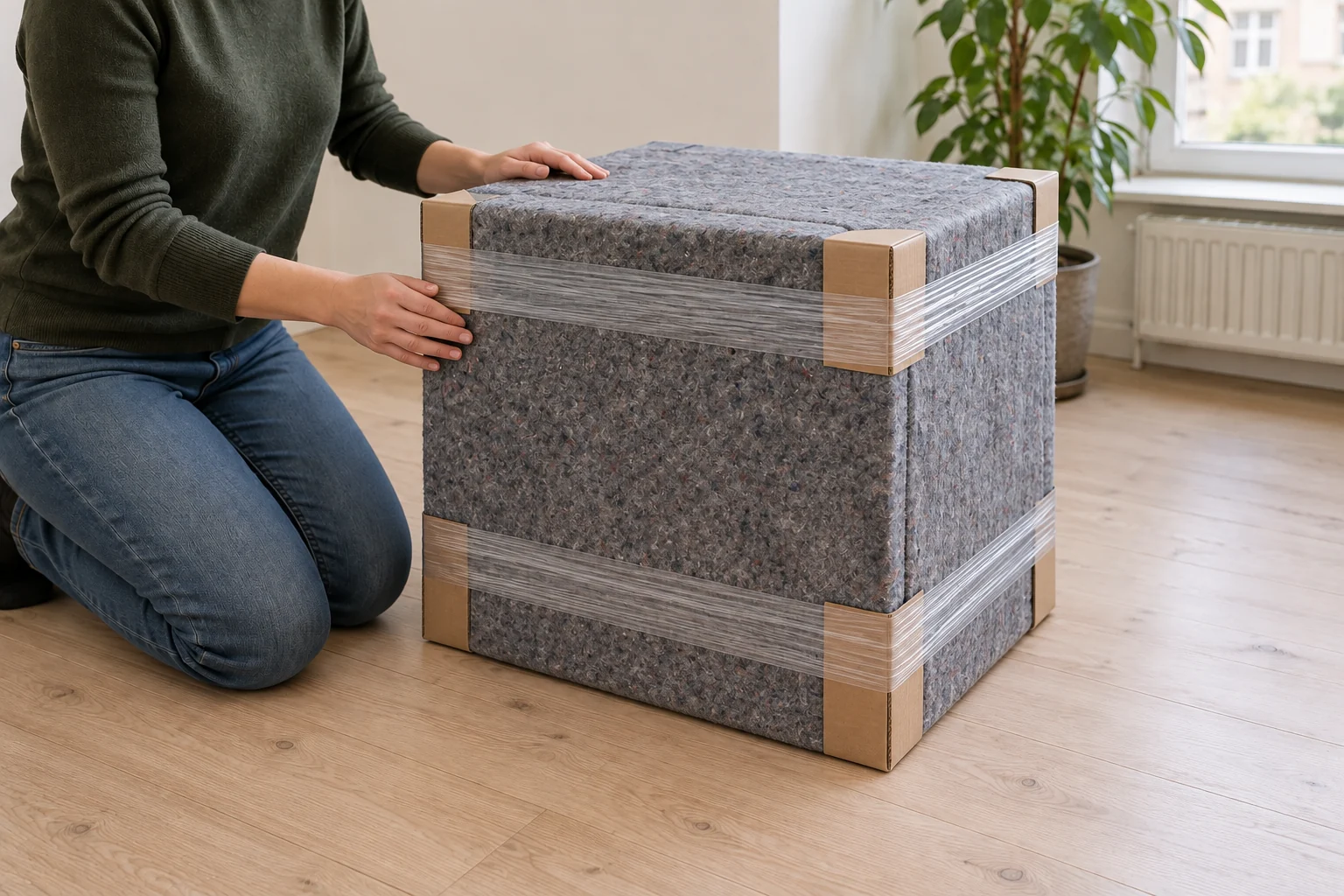
Wrap stretch film around the padded furniture to hold the blanket and cardboard in place. It should secure the layers without distorting drawer fronts or corners. It does not replace soft protection and must not be used as a lifting handle.

Check that drawers cannot slide out, exposed surfaces are covered and there are no loose ends to trip over. Measure the wrapped furniture if the door or staircase is narrow.

Heavy or unstable furniture needs an agreed lifting plan. Do not lift by handles, drawers or loose panels. Securing the load for transport is a separate task: stretch film alone does not secure furniture inside the vehicle.

A fully wrapped bedside table with a blanket, protected corners and stretch film holding the layers in place
Step 4: Check the whole package before lifting. The pictures are AI-generated illustrations of the sequence, not photos of a particular customer job.

06 · Common questions

What about drawers, film and larger chests?

  • Is stretch film alone enough?No. It holds wrapping together but does not provide a soft layer against knocks and scratches. Put suitable protection underneath.
  • Can I leave clothes inside the drawers?Prepare the furniture empty. This makes the weight more manageable and keeps loose belongings separate from the furniture.
  • Does the whole chest need dismantling?Not necessarily. Its construction, weight and access determine this. Only dismantle according to its instructions; loose wrapping cannot stabilise a damaged joint.
  • Can I use old cardboard?Yes, if it is clean, dry and still protective. Remove staples and other hard parts. Soft or damaged cardboard is unsuitable for edge protection.

07 · Help with the job

Would you like help packing?

Arrange it with Teleporter support beforehand if the team needs to pack or dismantle the furniture. Send photos, measurements, floor levels and access details so support can confirm an appropriate team and the materials needed.

For a local job, the team's packing time is included in per-minute billing. Materials are charged as agreed. If the furniture is ready, the team can proceed with the agreed carrying and transport job.

Ready for moving day?

One final review.

  • The furniture is empty and loose parts are collected.
  • Surfaces, corners and edges are protected.
  • Drawers and wrapping stay in place without tape on the finish.
  • The wrapped furniture fits along the access route.
  • Carrying help and any packing are agreed.
Find a vehicle and carrying help

Have a good move — and a good start at your new address.

Back to the blog


From plan to move

Ready for your
next move?

Calculate your price
Go to article

Get Teleporter

Choose your app store.

Welcome credit

GetDKK 100in credit when you sign up.

Open Messenger

Contact Teleporter

Choose language

Dansk

Packing

Pack your bedside table.
Step by step.

Empty the drawers. Protect the surfaces and corners. Follow four steps and find the materials in Danish shops.

About 5 min readRead the guide
Published
A bedside table protected with a moving blanket, cardboard over the corners and stretch film outside

Empty the furniture, collect loose parts, wrap the surfaces in a clean soft layer, protect the corners and hold the wrapping in place with stretch film. We demonstrate the sequence on a small bedside table. A chest of drawers follows the same principle but often needs more material and more people.

The essentials, in brief.

  • The moving blanket protects the surface; stretch film keeps the protection in place.
  • Never apply packing tape directly to wood, varnish or veneer.
  • Pack furniture empty and arrange carrying help before moving it.

01 · Materials and prices

What you need.

Find a clean, soft moving blanket, corrugated cardboard, stretch film and, if needed, packing tape. Have a bag for screws and handles, a marker and the appropriate tools ready. Reuse suitable materials you already own.

Here are specific shopping options. Prices are for the whole product or pack, checked on 13 October 2026, and may change. These are examples of materials, not a fixed shopping list suitable for every furniture size.

02 · Step 1 · Prepare

Empty the drawers and collect loose parts.

Remove all contents. Loose items can shift and a full chest is heavier to handle. Box the contents and wipe dust and dirt off the furniture so they do not sit between the surface and its protection.

Only remove handles, shelves or legs designed to come off. Follow the furniture instructions and put screws and handles in a labelled bag. Do not tape the bag to the furniture finish.

Drawers can stay in if they close securely and the furniture remains safe to handle. If removing them reduces the weight, wrap and label them separately. Never force a drawer past its stop.

An empty bedside table with open drawers and removed handles collected in a bag
Step 1: Empty the furniture and collect removable parts before covering the surface.

03 · Step 2 · Soft layer

Protect the surface first.

Close the empty drawers. Wrap a clean, dry moving blanket over the top, sides and front. Fold it to cover edges and corners without leaving loose ends hanging into the carrying route.

Check for coarse particles or hard seams that might rub against the surface. Delicate varnish, high-gloss and antique furniture need materials suited to their finish; follow the manufacturer's advice or ask for help choosing protection.

A clean moving blanket folded over the bedside table's closed drawers
Step 2: The soft layer should cover the furniture. Tuck in the remaining flaps before securing the wrapping.

04 · Step 3 · Corners

Give the corners an extra layer.

Fold corrugated cardboard around the padded corners and exposed edges. Keep it outside the soft layer so it does not rub directly on the surface. Shape the protection to the furniture instead of forcing a cardboard piece that is too small.

If you use tape to hold the cardboard together, apply it only to the wrapping. Repeat at the other exposed corners. Cardboard and a blanket reduce the risk of marks; they do not make furniture impact-proof.

Close-up of folded corrugated cardboard over a moving blanket at a bedside table corner
Step 3: Soft layer inside, cardboard outside. Keep tape away from wood, varnish and veneer.

05 · Step 4 · Secure

Hold the layers in place and check the package.

Wrap stretch film around the padded furniture to hold the blanket and cardboard in place. It should secure the layers without distorting drawer fronts or corners. It does not replace soft protection and must not be used as a lifting handle.

Check that drawers cannot slide out, exposed surfaces are covered and there are no loose ends to trip over. Measure the wrapped furniture if the door or staircase is narrow.

Heavy or unstable furniture needs an agreed lifting plan. Do not lift by handles, drawers or loose panels. Securing the load for transport is a separate task: stretch film alone does not secure furniture inside the vehicle.

A fully wrapped bedside table with a blanket, protected corners and stretch film holding the layers in place
Step 4: Check the whole package before lifting. The pictures are AI-generated illustrations of the sequence, not photos of a particular customer job.

06 · Common questions

What about drawers, film and larger chests?

  • Is stretch film alone enough?No. It holds wrapping together but does not provide a soft layer against knocks and scratches. Put suitable protection underneath.
  • Can I leave clothes inside the drawers?Prepare the furniture empty. This makes the weight more manageable and keeps loose belongings separate from the furniture.
  • Does the whole chest need dismantling?Not necessarily. Its construction, weight and access determine this. Only dismantle according to its instructions; loose wrapping cannot stabilise a damaged joint.
  • Can I use old cardboard?Yes, if it is clean, dry and still protective. Remove staples and other hard parts. Soft or damaged cardboard is unsuitable for edge protection.

07 · Help with the job

Would you like help packing?

Arrange it with Teleporter support beforehand if the team needs to pack or dismantle the furniture. Send photos, measurements, floor levels and access details so support can confirm an appropriate team and the materials needed.

For a local job, the team's packing time is included in per-minute billing. Materials are charged as agreed. If the furniture is ready, the team can proceed with the agreed carrying and transport job.

Ready for moving day?

One final review.

  • The furniture is empty and loose parts are collected.
  • Surfaces, corners and edges are protected.
  • Drawers and wrapping stay in place without tape on the finish.
  • The wrapped furniture fits along the access route.
  • Carrying help and any packing are agreed.
Find a vehicle and carrying help

Have a good move — and a good start at your new address.

Back to the blog
From a good plan
to a good move.