


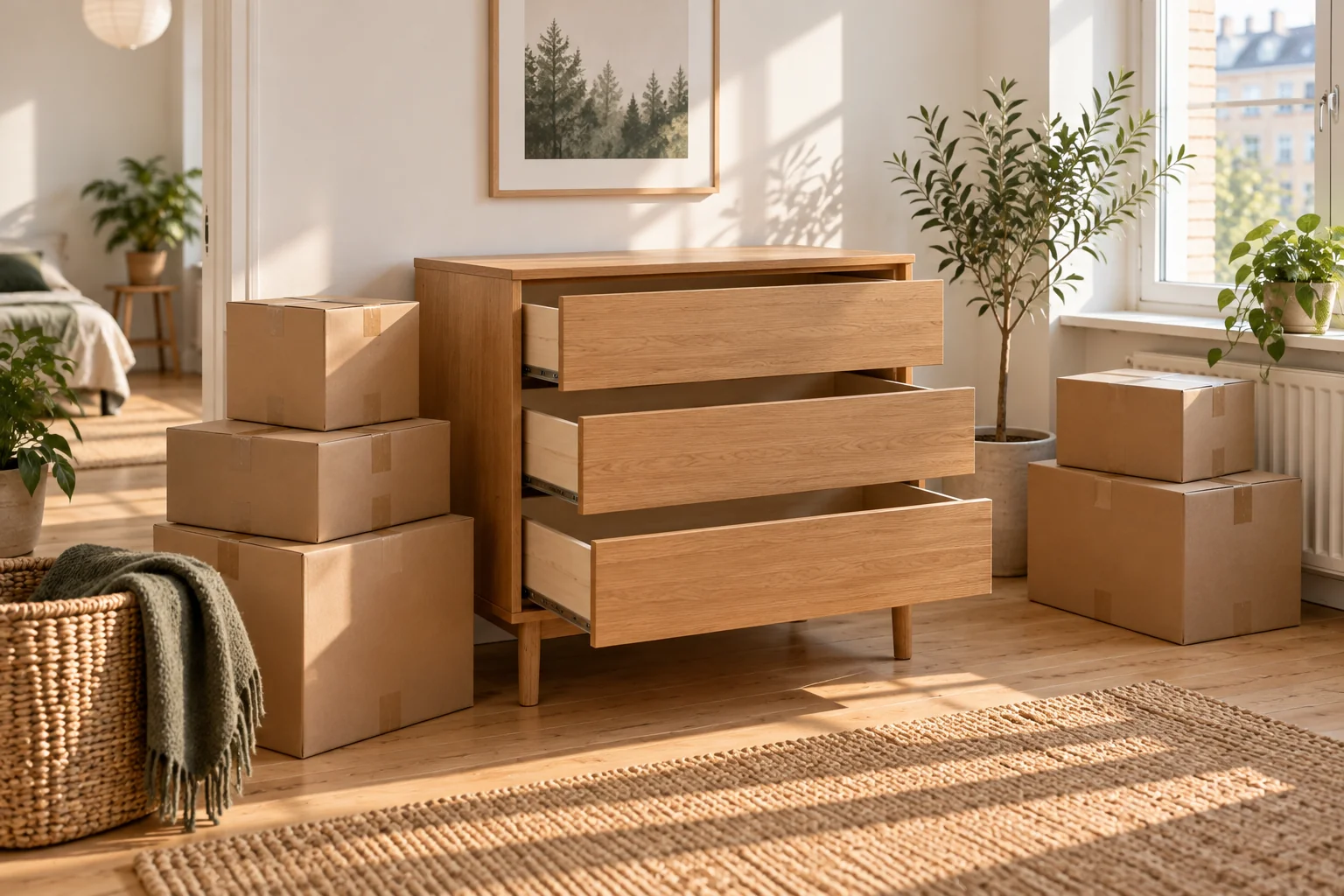
Empty drawers in a chest with the contents packed in separate moving boxes

Packing

The wardrobe is moving.
What about its contents?

Contents add weight and can shift during carrying. Normally empty furniture, or agree specifically with support what may remain inside.

Calculate your price
About 2 min readRead the guide
Published

As a general rule, empty wardrobes and chests of drawers and pack the contents separately. Teleporter can assess moving furniture with contents, but you must tell support in advance. Loaded furniture is not automatically suitable for carrying even if it is light when empty.

The essentials, in brief.

  • Contents can make manageable furniture too heavy.
  • Pack loose and fragile items separately.
  • Agree exceptions for the specific furniture and carrying route.

01 · Weight and construction

Contents affect more than weight

Papers, books and crockery can weigh a lot inside a small item of furniture. During lifting and turning, contents can shift and strain drawers, bases and joints.

Do not plan on simply closing the drawers. Provide the furniture's dimensions, contents and whether it must pass along stairs or narrow passages.

02 · Pack the contents

Keep parts together without overfilling boxes

Protect fragile items in separate boxes and distribute heavy objects so boxes remain manageable. Label them with the furniture or room they belong to.

Removed shelves, drawers and other parts also need securing for transport. Gather fittings and small parts in labelled bags. Use protection suitable for the surface instead of putting tape directly on a delicate finish.

03 · Ask support

If you want to leave something inside

Send a photo and describe what you would like to leave inside. Support can help clarify packing and the crew needed for your particular job.

An agreement depends on the furniture and access. If the item proves too heavy or cannot be safely moved by the booked people, the plan must change.

04 · Packing assistance

Arrange help before the van arrives

If you need the team to empty and pack the furniture, arrange packing help with support. This ensures the work and any materials are known beforehand.

Packing takes paid working time. Agreed materials are charged according to use. On ordinary transport without packing help, you must prepare the contents yourself.

Ready for moving day?

One final review.

  • Empty and separately pack fragile or heavy contents.
  • Label boxes and loose parts so they can be found again.
  • Tell support if anything should remain inside.
  • Arrange any packing assistance beforehand.
Find a vehicle and carrying help

Have a good move — and a good start at your new address.

Back to the blog

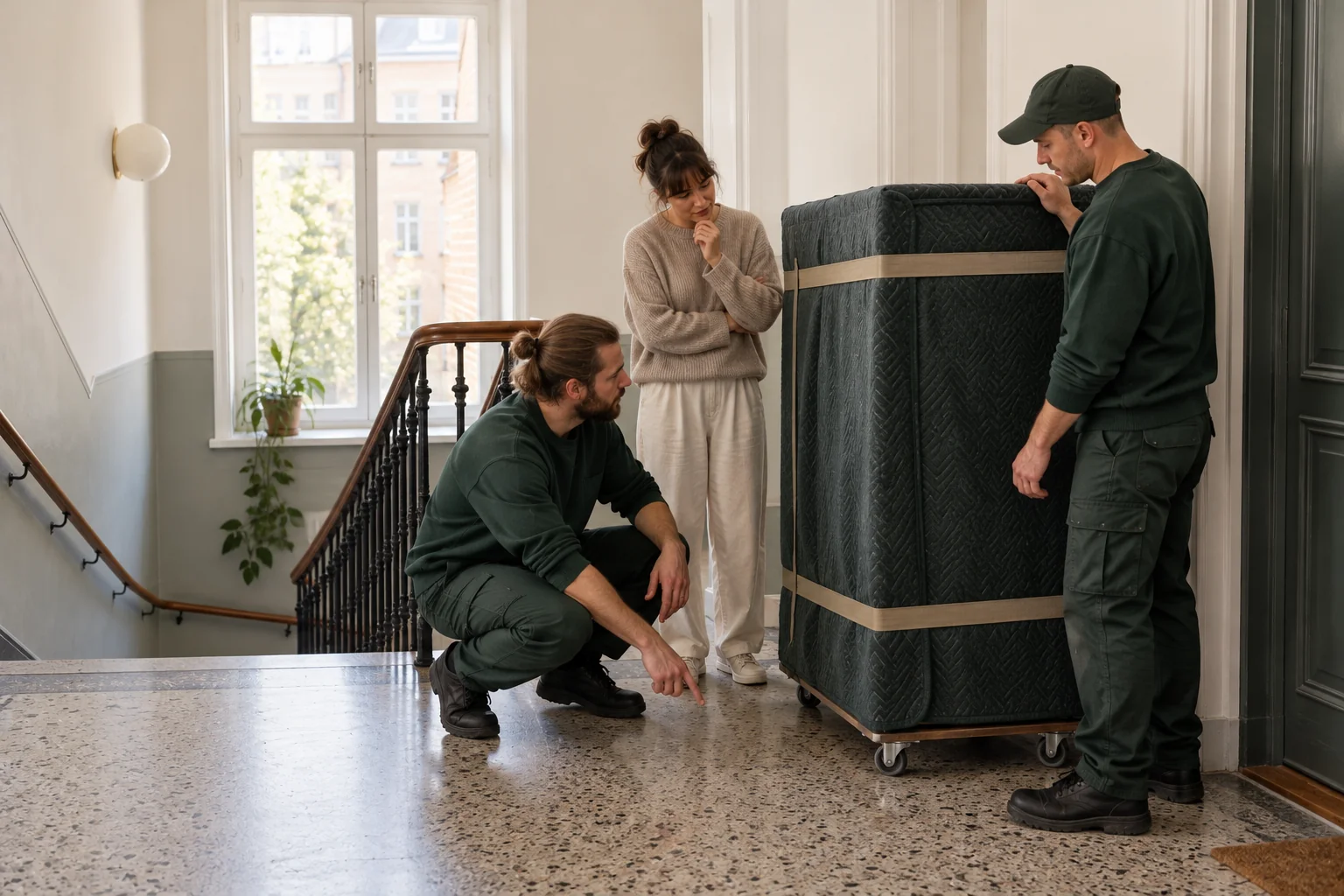
From plan to move

Ready for your
next move?

Calculate your price
Go to article

Get Teleporter

Choose your app store.

Welcome credit

GetDKK 100in credit when you sign up.

Open Messenger

Contact Teleporter

Choose language

Dansk

Packing

The wardrobe is moving.
What about its contents?

Contents add weight and can shift during carrying. Normally empty furniture, or agree specifically with support what may remain inside.

About 2 min readRead the guide
Published
Empty drawers in a chest with the contents packed in separate moving boxes

As a general rule, empty wardrobes and chests of drawers and pack the contents separately. Teleporter can assess moving furniture with contents, but you must tell support in advance. Loaded furniture is not automatically suitable for carrying even if it is light when empty.

The essentials, in brief.

  • Contents can make manageable furniture too heavy.
  • Pack loose and fragile items separately.
  • Agree exceptions for the specific furniture and carrying route.

01 · Weight and construction

Contents affect more than weight

Papers, books and crockery can weigh a lot inside a small item of furniture. During lifting and turning, contents can shift and strain drawers, bases and joints.

Do not plan on simply closing the drawers. Provide the furniture's dimensions, contents and whether it must pass along stairs or narrow passages.

02 · Pack the contents

Keep parts together without overfilling boxes

Protect fragile items in separate boxes and distribute heavy objects so boxes remain manageable. Label them with the furniture or room they belong to.

Removed shelves, drawers and other parts also need securing for transport. Gather fittings and small parts in labelled bags. Use protection suitable for the surface instead of putting tape directly on a delicate finish.

03 · Ask support

If you want to leave something inside

Send a photo and describe what you would like to leave inside. Support can help clarify packing and the crew needed for your particular job.

An agreement depends on the furniture and access. If the item proves too heavy or cannot be safely moved by the booked people, the plan must change.

04 · Packing assistance

Arrange help before the van arrives

If you need the team to empty and pack the furniture, arrange packing help with support. This ensures the work and any materials are known beforehand.

Packing takes paid working time. Agreed materials are charged according to use. On ordinary transport without packing help, you must prepare the contents yourself.

Ready for moving day?

One final review.

  • Empty and separately pack fragile or heavy contents.
  • Label boxes and loose parts so they can be found again.
  • Tell support if anything should remain inside.
  • Arrange any packing assistance beforehand.
Find a vehicle and carrying help

Have a good move — and a good start at your new address.

Back to the blog
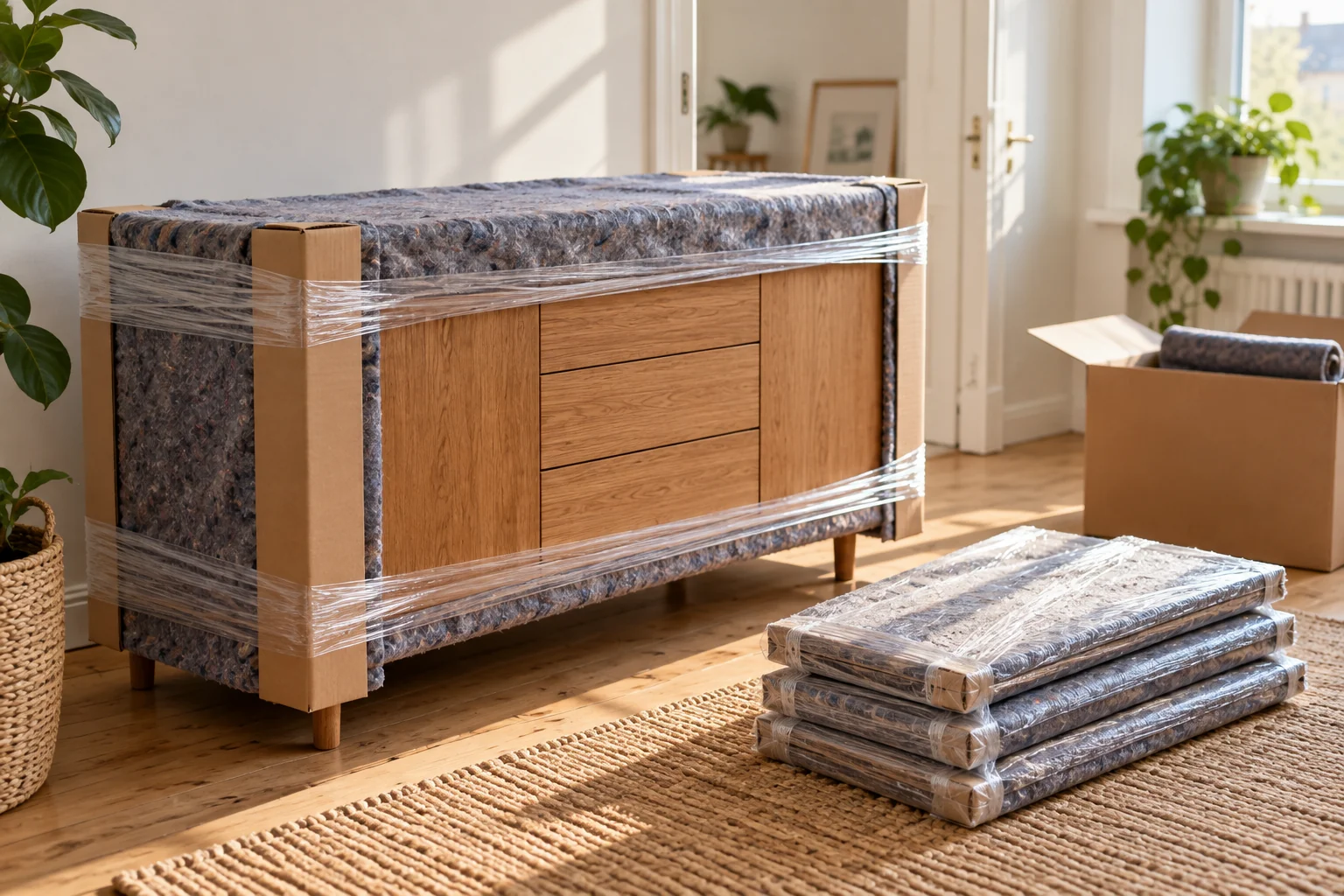
From a good plan
to a good move.