

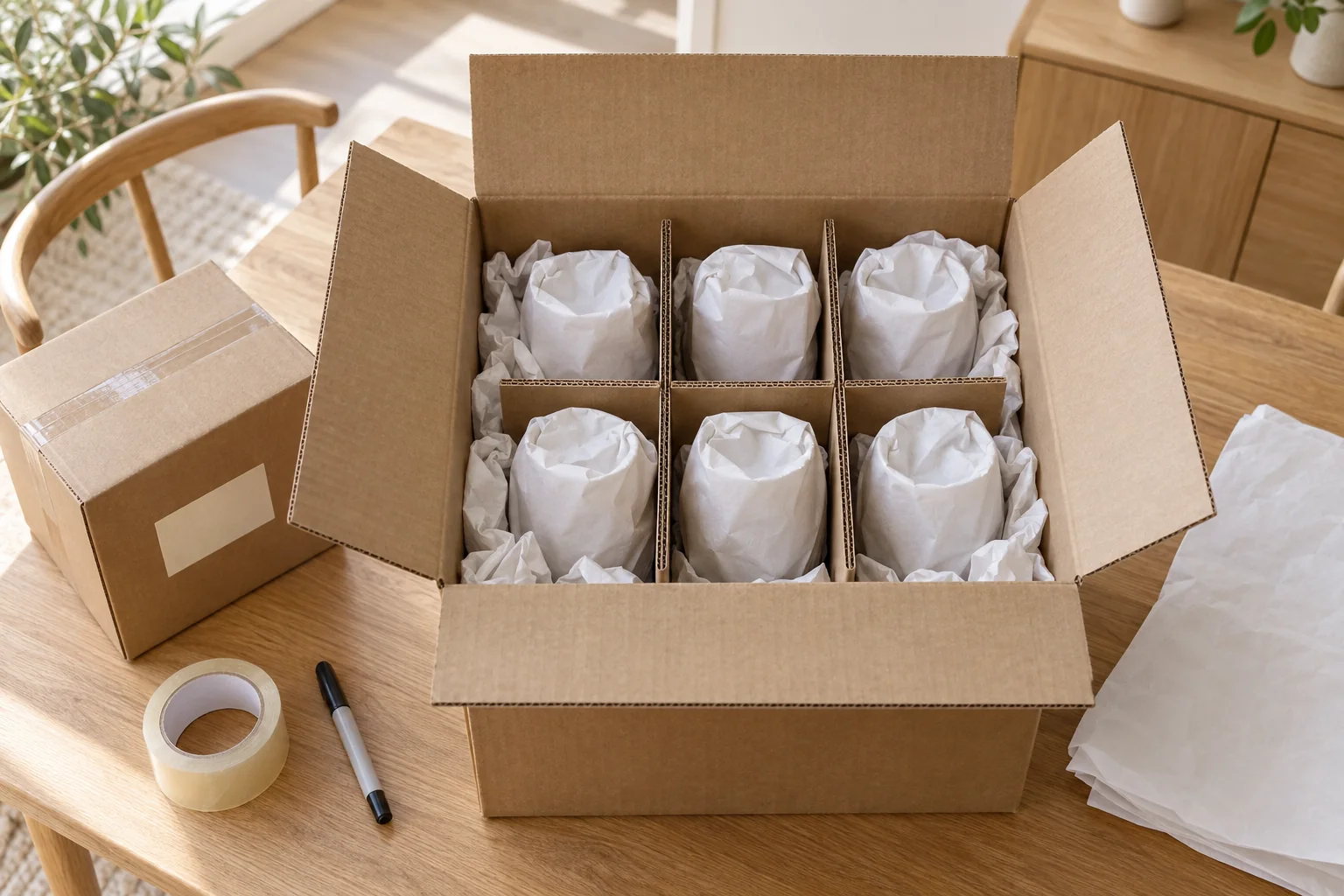
Individually wrapped glasses in separate box compartments

Packing

Pack glasses and plates.
Protect each piece.

Wrap each piece separately in a cushioned box. Stand plates on edge, support delicate stems and use fitted compartments without overfilling.

Calculate your price
About 5 min readRead the guide
Published

Start with a sturdy box and a cushioned base. Wrap every glass and plate separately so pieces cannot knock together. Plates normally stand on edge with protection between them; wine glasses need support around the stem and base and suitably sized separate compartments. Fill gaps without forcing pressure onto the contents.

The essentials, in brief.

  • Wrap each piece before placing it in the box.
  • Distribute weight between manageable boxes.
  • Labels do not replace cushioning and stable placement.

01 · What you need

Choose a strong box and plenty of clean paper.

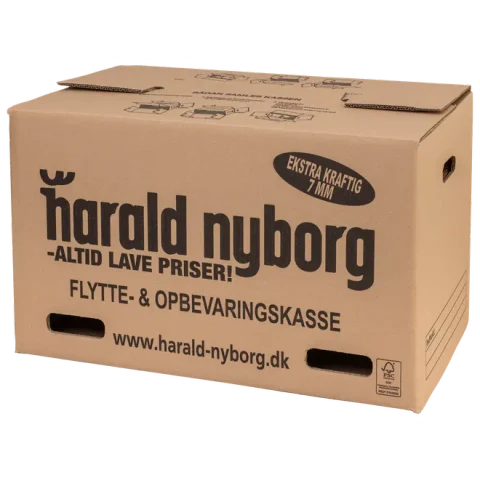
Use intact, dry boxes suitable for the weight. A smaller box can be easier to carry than a large one full of crockery. Check dimensions and the stated load limit; thick cardboard alone does not guarantee a suitable package.

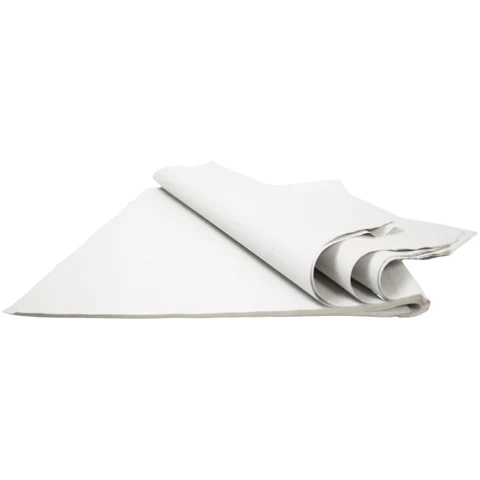
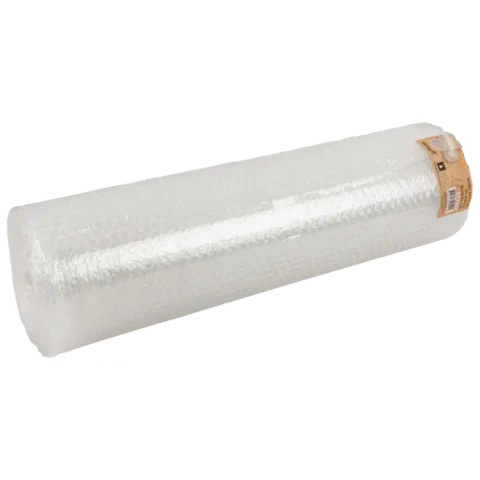
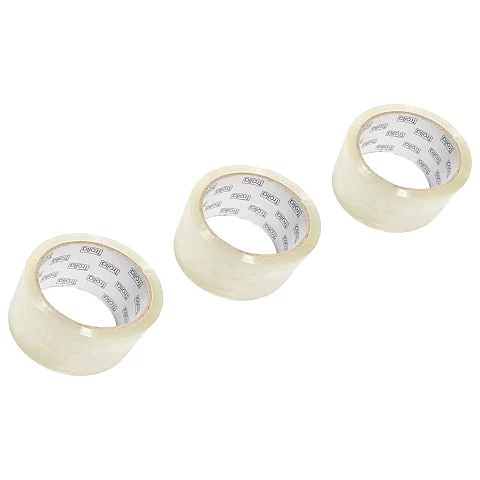
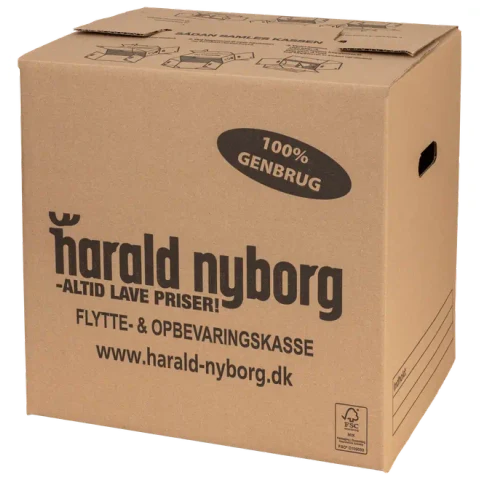
Prepare clean unprinted packing paper, tape and appropriate cushioning. A fitted insert can separate wine-glass packages; check compartment width and height. These example products have indicative prices checked on 13 October 2026. Prices and availability may change.
02 · Prepare the box

1. Secure the base and add cushioning.

Assemble and close the box according to its instructions. Inspect seams, corners and any handles. A damp or weakened box is unsuitable for heavy dishes.

Add an even, resilient layer of crumpled paper or appropriate cushioning across the base and protect the sides. Allow space for individual wrapping and a protective top layer without making the lid bulge.
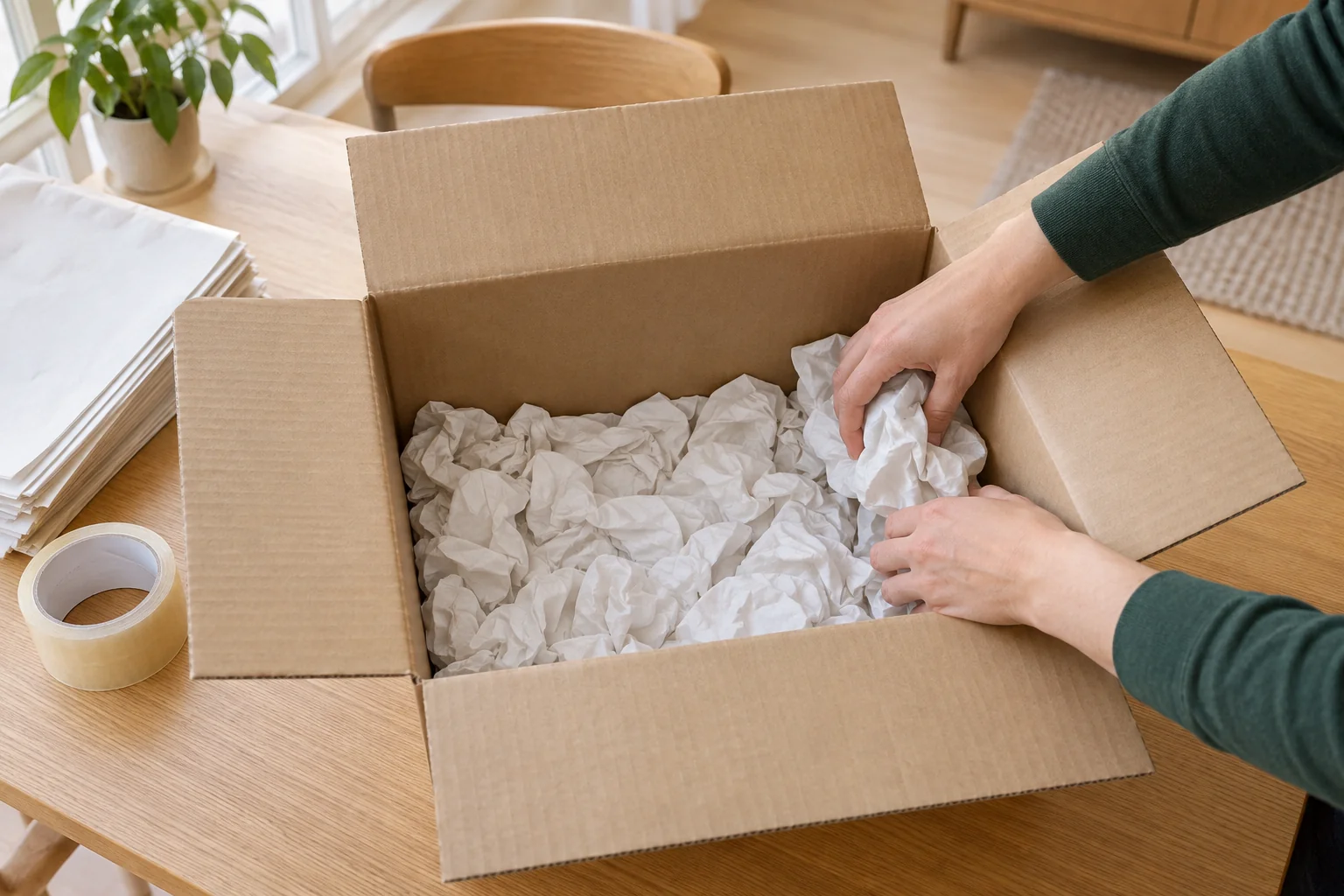
An open moving box with a complete layer of crumpled paper across its base
Prepare the base and sides before adding fragile contents. The step photos are AI-generated illustrations, not records of a customer job.

03 · Wrap plates

2. Cover each plate completely.

Place one plate on suitable sheets of paper and fold them around its whole face and rim. Add protection if a thin layer leaves the edge insufficiently cushioned.

Prevent direct contact between ceramic pieces. Heavy platters and large serving dishes should not be squeezed between smaller plates; give them suitable separate packaging.
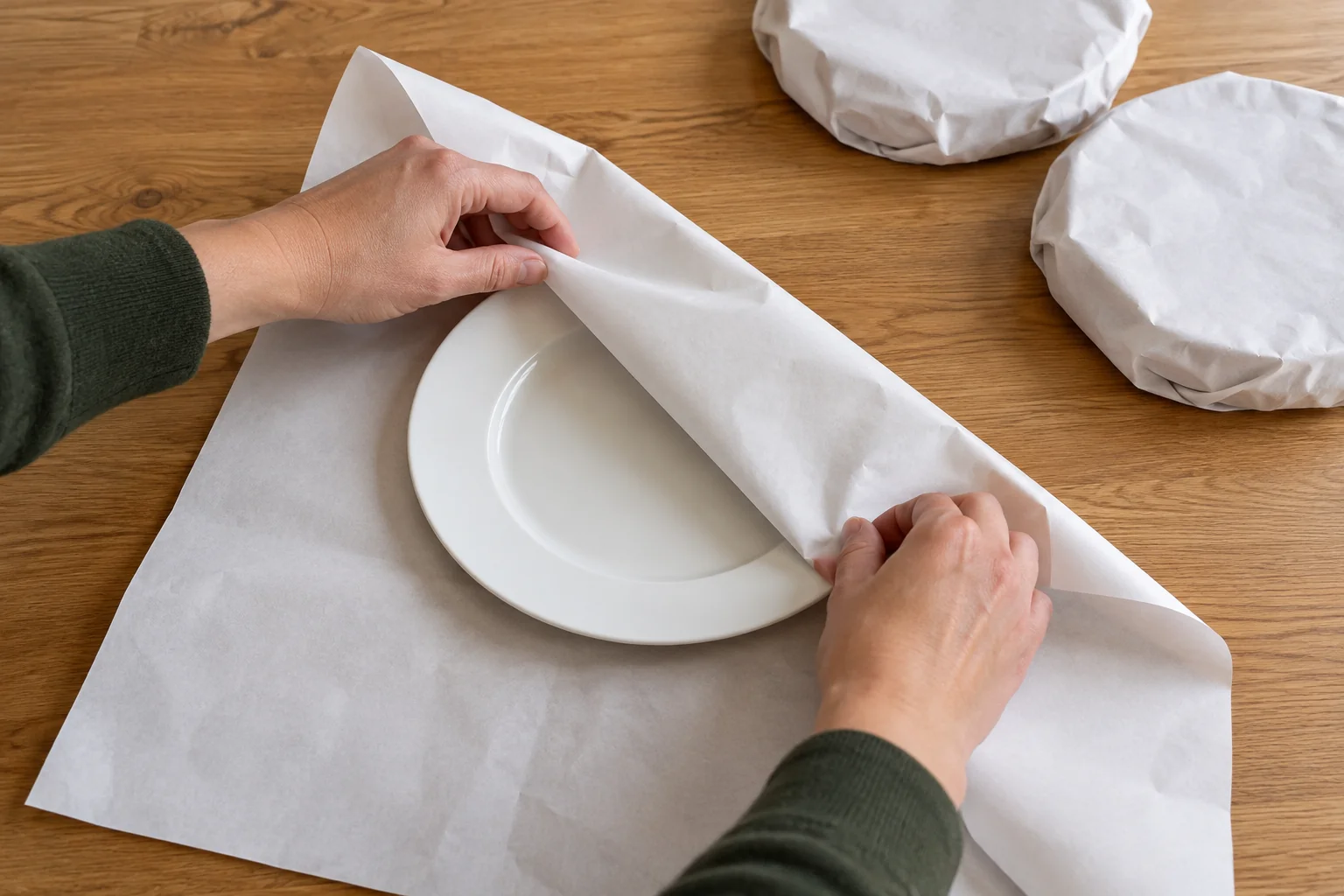
Hands fold clean paper around one ceramic dinner plate
Wrap one piece at a time and protect its entire rim.

04 · Position plates

3. Stand the wrapped plates on edge.

Place individually wrapped plates on edge in the cushioned box as shown. Keep protection between them and fill remaining spaces so they cannot slide into each other.

Do not force a row together to fit one more plate. Stop while the box is still manageable and can close without pressure on the contents. Keep heavy plates separate from delicate wine glasses.
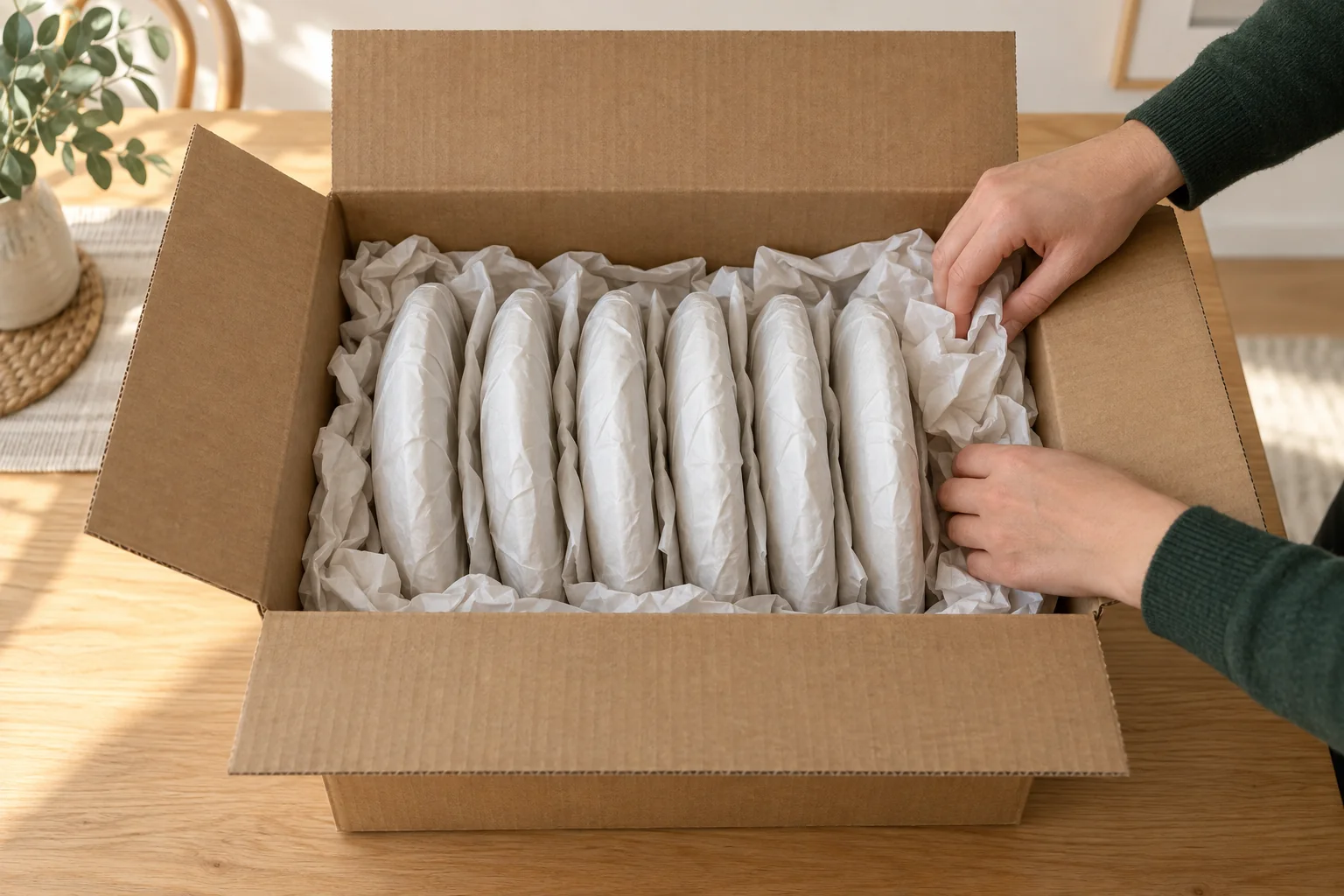
Individually wrapped plates stand on edge inside a cushioned box
The plates are separated and supported rather than stacked without protection.

05 · Wrap wine glasses

4. Support the stem, base and bowl.

Wrap ordinary drinking glasses individually. Do not nest bare glasses inside one another or force tightly packed paper into a delicate bowl.

For wine glasses, cushion the stem and base gently before wrapping the whole glass. Work on a soft surface and support it without pulling or twisting the stem. The image shows wrapping in progress; finish protecting the whole glass before putting it into the box.
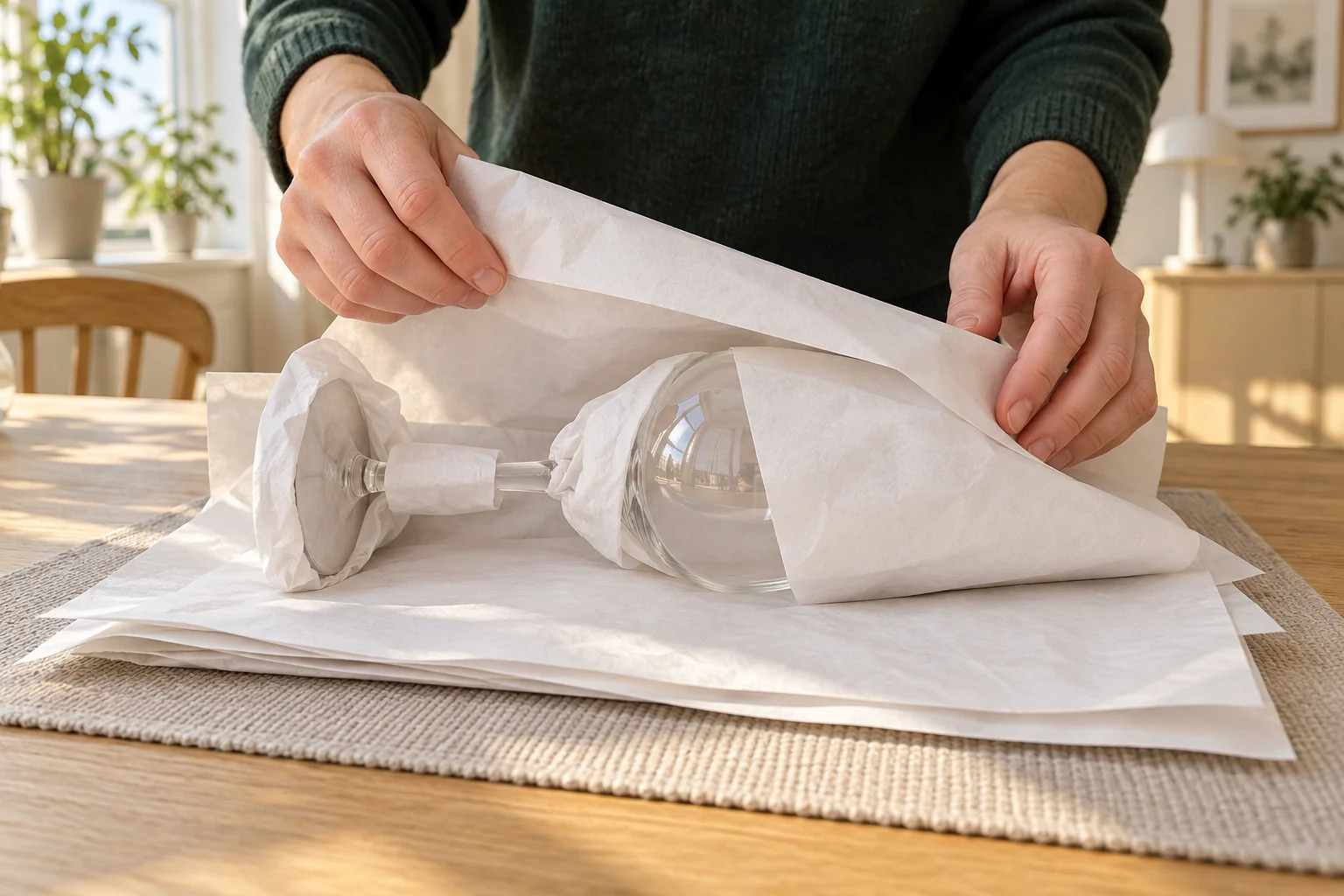
A supported wine glass is wrapped with protection around its stem, base and bowl
The delicate stem must not take pressure from the rest of the package.

06 · Fill and close

5. Use fitted compartments and leave room to close.

Place wrapped glasses in compartments that fit them. An insert separates packages but does not replace individual wrapping or cushioning underneath. Gently fill remaining spaces so contents cannot move freely.

Add protection over the contents. The lid must close flat without pressing on glasses or plates. Seal the box and mark the destination room, contents and Fragile on its side; mark the upright direction where relevant. Support the base when carrying and keep heavy items off the top.

Six individually wrapped glasses in cardboard cells before final cushioning and closure
Check each compartment, add top protection and then close the box.

07 · Common mistakes

A label cannot keep glassware apart.

Avoid unfilled spaces, excessively heavy boxes and mixing heavy cookware with delicate glasses. Stretch film around a box does not solve inadequate protection inside it.

Have exceptionally valuable, old or fragile pieces assessed separately. Photographs of contents and packing can help you keep an inventory; photos and labels do not establish insurance cover.

08 · Packing assistance

Arrange help before moving day.

Pack yourself or ask the manager to arrange a suitable team and materials. Describe the quantity and any particularly delicate items. Do not assume packing help is included without an advance agreement.

For local per-minute bookings, agreed packing and unpacking are working time. Materials are charged as agreed. Boxes must be safe for the team to handle; an overloaded or insufficiently protected box may need repacking before transport.

09 · Questions

Questions about packing dishes.

  • Can I use newspaper?Clean, unprinted packing paper avoids putting newsprint against glass or ceramic surfaces. Choose contact materials appropriate for the finish.
  • Is a glass divider enough on its own?No. Compartments must fit, and glasses still need individual wrapping and suitable cushioning around and beneath them.
  • How many plates belong in one box?There is no single number. Box dimensions, strength, dish weight and safe handling determine the limit. Use more boxes instead of overfilling one.

Ready for moving day?

One final review.

  • The box is dry, sturdy and correctly closed underneath.
  • Every piece is wrapped separately.
  • Heavy plates and delicate glasses are sensibly separated.
  • The base and gaps are cushioned without excessive pressure.
  • The box closes flat and can be carried safely.
Find a vehicle and carrying help

Have a good move — and a good start at your new address.

Back to the blog
From plan to move

Ready for your
next move?

Calculate your price
Go to article

Get Teleporter

Choose your app store.

Welcome credit

GetDKK 100in credit when you sign up.

Open Messenger

Contact Teleporter

Choose language

Dansk

Packing

Pack glasses and plates.
Protect each piece.

Wrap each piece separately in a cushioned box. Stand plates on edge, support delicate stems and use fitted compartments without overfilling.

About 5 min readRead the guide
Published
Individually wrapped glasses in separate box compartments

Start with a sturdy box and a cushioned base. Wrap every glass and plate separately so pieces cannot knock together. Plates normally stand on edge with protection between them; wine glasses need support around the stem and base and suitably sized separate compartments. Fill gaps without forcing pressure onto the contents.

The essentials, in brief.

  • Wrap each piece before placing it in the box.
  • Distribute weight between manageable boxes.
  • Labels do not replace cushioning and stable placement.

01 · What you need

Choose a strong box and plenty of clean paper.

Use intact, dry boxes suitable for the weight. A smaller box can be easier to carry than a large one full of crockery. Check dimensions and the stated load limit; thick cardboard alone does not guarantee a suitable package.

Prepare clean unprinted packing paper, tape and appropriate cushioning. A fitted insert can separate wine-glass packages; check compartment width and height. These example products have indicative prices checked on 13 October 2026. Prices and availability may change.

02 · Prepare the box

1. Secure the base and add cushioning.

Assemble and close the box according to its instructions. Inspect seams, corners and any handles. A damp or weakened box is unsuitable for heavy dishes.

Add an even, resilient layer of crumpled paper or appropriate cushioning across the base and protect the sides. Allow space for individual wrapping and a protective top layer without making the lid bulge.

An open moving box with a complete layer of crumpled paper across its base
Prepare the base and sides before adding fragile contents. The step photos are AI-generated illustrations, not records of a customer job.

03 · Wrap plates

2. Cover each plate completely.

Place one plate on suitable sheets of paper and fold them around its whole face and rim. Add protection if a thin layer leaves the edge insufficiently cushioned.

Prevent direct contact between ceramic pieces. Heavy platters and large serving dishes should not be squeezed between smaller plates; give them suitable separate packaging.

Hands fold clean paper around one ceramic dinner plate
Wrap one piece at a time and protect its entire rim.

04 · Position plates

3. Stand the wrapped plates on edge.

Place individually wrapped plates on edge in the cushioned box as shown. Keep protection between them and fill remaining spaces so they cannot slide into each other.

Do not force a row together to fit one more plate. Stop while the box is still manageable and can close without pressure on the contents. Keep heavy plates separate from delicate wine glasses.

Individually wrapped plates stand on edge inside a cushioned box
The plates are separated and supported rather than stacked without protection.

05 · Wrap wine glasses

4. Support the stem, base and bowl.

Wrap ordinary drinking glasses individually. Do not nest bare glasses inside one another or force tightly packed paper into a delicate bowl.

For wine glasses, cushion the stem and base gently before wrapping the whole glass. Work on a soft surface and support it without pulling or twisting the stem. The image shows wrapping in progress; finish protecting the whole glass before putting it into the box.

A supported wine glass is wrapped with protection around its stem, base and bowl
The delicate stem must not take pressure from the rest of the package.

06 · Fill and close

5. Use fitted compartments and leave room to close.

Place wrapped glasses in compartments that fit them. An insert separates packages but does not replace individual wrapping or cushioning underneath. Gently fill remaining spaces so contents cannot move freely.

Add protection over the contents. The lid must close flat without pressing on glasses or plates. Seal the box and mark the destination room, contents and Fragile on its side; mark the upright direction where relevant. Support the base when carrying and keep heavy items off the top.

Six individually wrapped glasses in cardboard cells before final cushioning and closure
Check each compartment, add top protection and then close the box.

07 · Common mistakes

A label cannot keep glassware apart.

Avoid unfilled spaces, excessively heavy boxes and mixing heavy cookware with delicate glasses. Stretch film around a box does not solve inadequate protection inside it.

Have exceptionally valuable, old or fragile pieces assessed separately. Photographs of contents and packing can help you keep an inventory; photos and labels do not establish insurance cover.

08 · Packing assistance

Arrange help before moving day.

Pack yourself or ask the manager to arrange a suitable team and materials. Describe the quantity and any particularly delicate items. Do not assume packing help is included without an advance agreement.

For local per-minute bookings, agreed packing and unpacking are working time. Materials are charged as agreed. Boxes must be safe for the team to handle; an overloaded or insufficiently protected box may need repacking before transport.

09 · Questions

Questions about packing dishes.

  • Can I use newspaper?Clean, unprinted packing paper avoids putting newsprint against glass or ceramic surfaces. Choose contact materials appropriate for the finish.
  • Is a glass divider enough on its own?No. Compartments must fit, and glasses still need individual wrapping and suitable cushioning around and beneath them.
  • How many plates belong in one box?There is no single number. Box dimensions, strength, dish weight and safe handling determine the limit. Use more boxes instead of overfilling one.

Ready for moving day?

One final review.

  • The box is dry, sturdy and correctly closed underneath.
  • Every piece is wrapped separately.
  • Heavy plates and delicate glasses are sensibly separated.
  • The base and gaps are cushioned without excessive pressure.
  • The box closes flat and can be carried safely.
Find a vehicle and carrying help

Have a good move — and a good start at your new address.

Back to the blog
From a good plan
to a good move.